MC Helios 44-3 58mm/f2
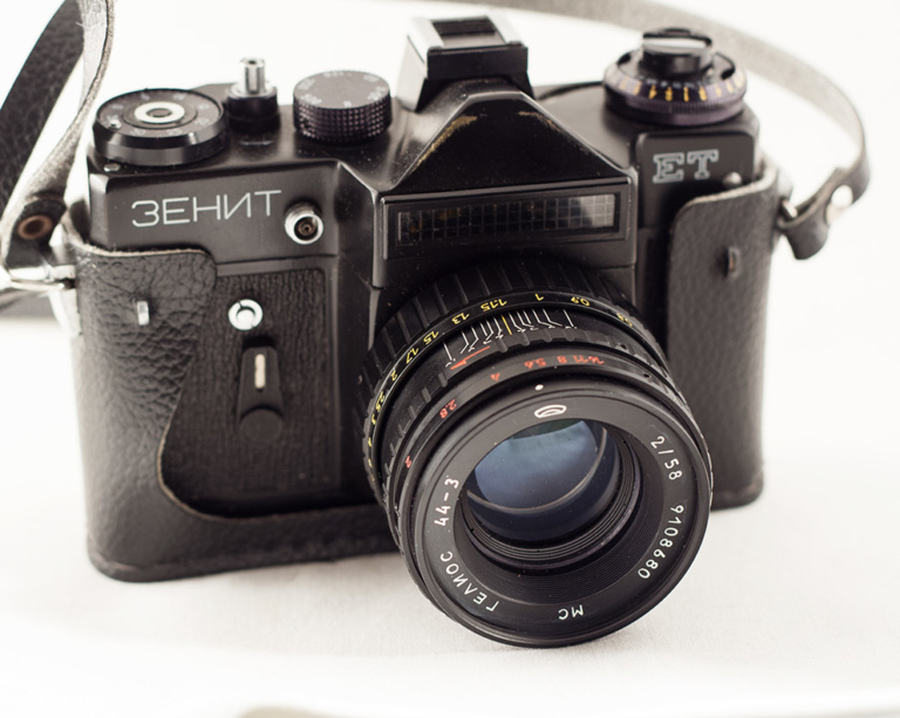
The Helios 44-3 is a Soviet-era copy of a Carl Zeiss Biotar, built like a tank, and it produces some of the most distinctive bokeh you'll find at any price. Here's what it's actually like to shoot with.
I paid SEK 100 for this lens. That's about £8. I didn't even know it was in the box.
I won a bid on Tradera (the Swedish eBay) for a Zenit ET camera and flash. The listing said nothing about a lens - the front was hidden under a cap. After googling the Zenit ET I learned these cameras often shipped with either an Industar variant or a Helios-44 variant. When I popped the cap and saw the Helios markings, I knew I'd got lucky.

The MC Helios (ГЕЛИОС) 44-3 58mm f/2 is a Soviet-era lens made at BeLOMO/MMZ in Minsk, with most copies dating from the 1980s and 1990s. Other Helios variants came out of factories including KMZ in Krasnogorsk near Moscow. Across the Helios-44 family, the optical DNA is widely regarded as Biotar-derived (6 elements in 4 groups), though mechanics and coatings vary by version and factory. Whatever the exact lineage, this is one of the better examples of Soviet glass I've used.
It uses an M42 screw mount, which fits my Canon EOS body via a cheap adapter. On Canon APS-C (1.6x crop), 58mm gives a full-frame equivalent field of view of about 93mm - a short portrait telephoto, which suits how I like to use it.

Build and handling
Pick it up and you immediately understand what Soviet engineering valued. This lens feels like it was built to survive a Russian winter in a kit bag - all metal, dense, zero flex anywhere. It reminds me of a T-34 tank: designed to function, not to impress at a trade show. The filter thread is 52mm, which is a common size - hoods and polarizers are easy to find.
The aperture control is a preset design with two rings. One ring sets your target aperture, the other moves between fully open and that preset. In practice, you focus wide open for maximum light and a bright viewfinder, then flick the second ring to your chosen aperture just before you shoot. It feels clunky for about five minutes. After that, it makes complete sense.

Image quality
Sharp. Genuinely sharp - not "sharp for a vintage lens" sharp, just sharp. Centre resolution at f/2 is already solid, and by f/4 the frame comes together nicely. The rendering has character too: slightly warm, with a gentle falloff toward the edges that wide-aperture primes from this era tend to have. It's not clinical, which is either a feature or a flaw depending on what you want.
The bokeh is the real reason people hunt these lenses down. The swirly, slightly nervous quality of the out-of-focus areas comes from the Biotar-derived design and the way the optical elements draw. At f/2 with a subject at close range, backgrounds turn into circular brushstrokes. You either love that or you don't. I love it.

Colours are accurate most of the time. In very high-contrast light contrast drops noticeably, and shooting into strong backlight washes things out faster than modern lenses usually do. I've seen much more expensive glass do the same, but this one definitely benefits from a hood. I'd treat that as standard kit rather than an optional extra.
Who this lens is for
If you shoot portraits, details, street, or anything else where shallow depth of field works in your favour, this lens is worth tracking down. It's all manual - focus and aperture - so it won't suit anyone who wants autofocus convenience. If you're happy working with manual glass, though, it becomes second nature quickly.
If you find one for under £20, buy it. Even at £40-50 it's still a very good buy. You're getting genuine sharpness, swirly bokeh with real personality, and a build quality that belongs to another era.
Sample images
All shot over several months, mostly at f/2 or f/2.8. The blue window image uses a circular polarizer. I've tried to show a range of subjects and light conditions rather than just the easy shots where any lens looks good.


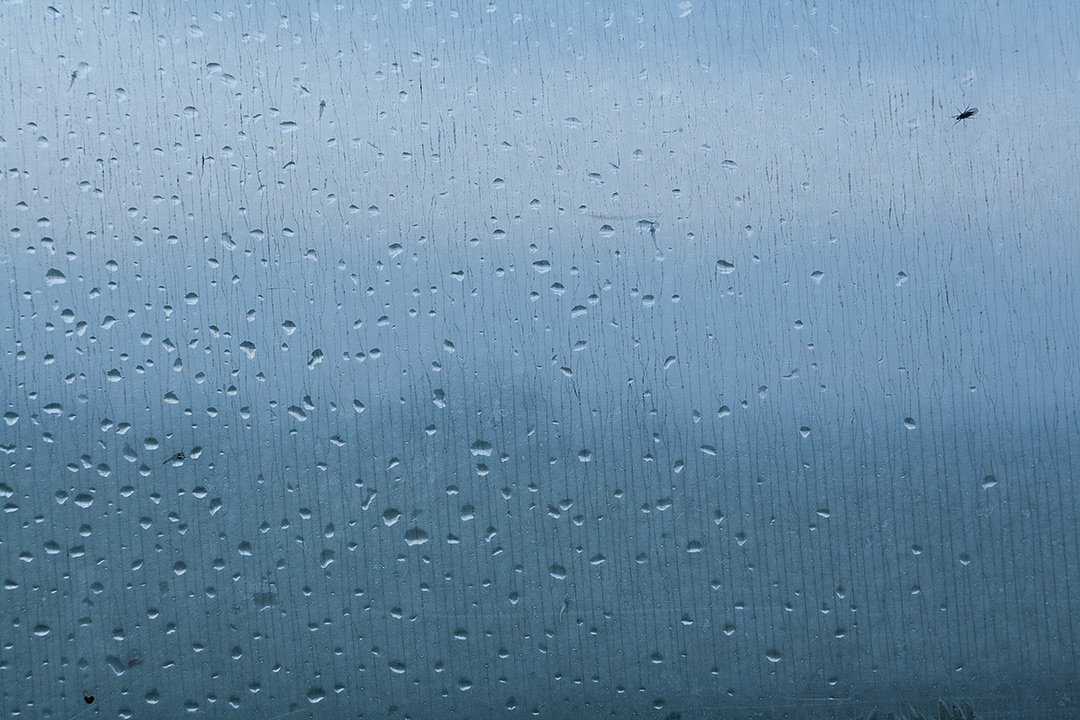
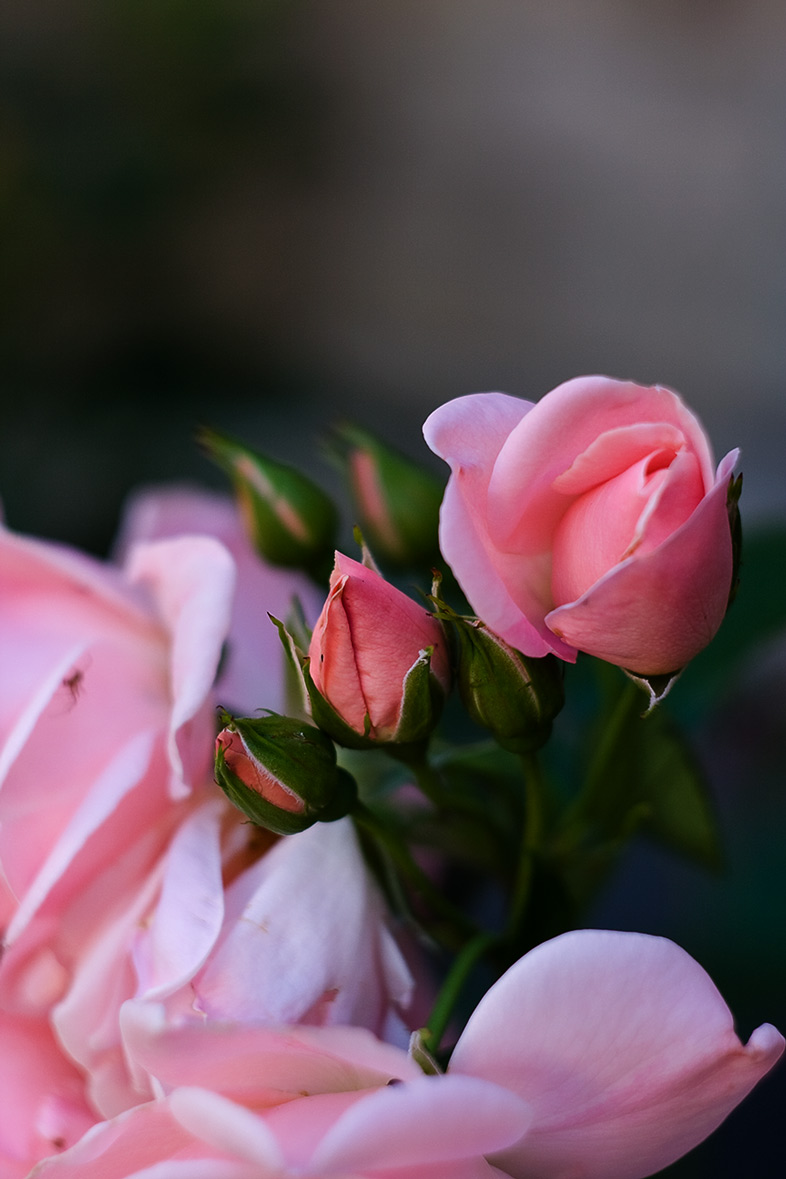



That's really the point of this lens. It isn't perfect, and that is exactly why it works. If you want something technically cleaner, there are plenty of modern options. If you want a cheap manual lens with personality, this one earns its reputation.
Links