Yashinon DX 50mm 1.7
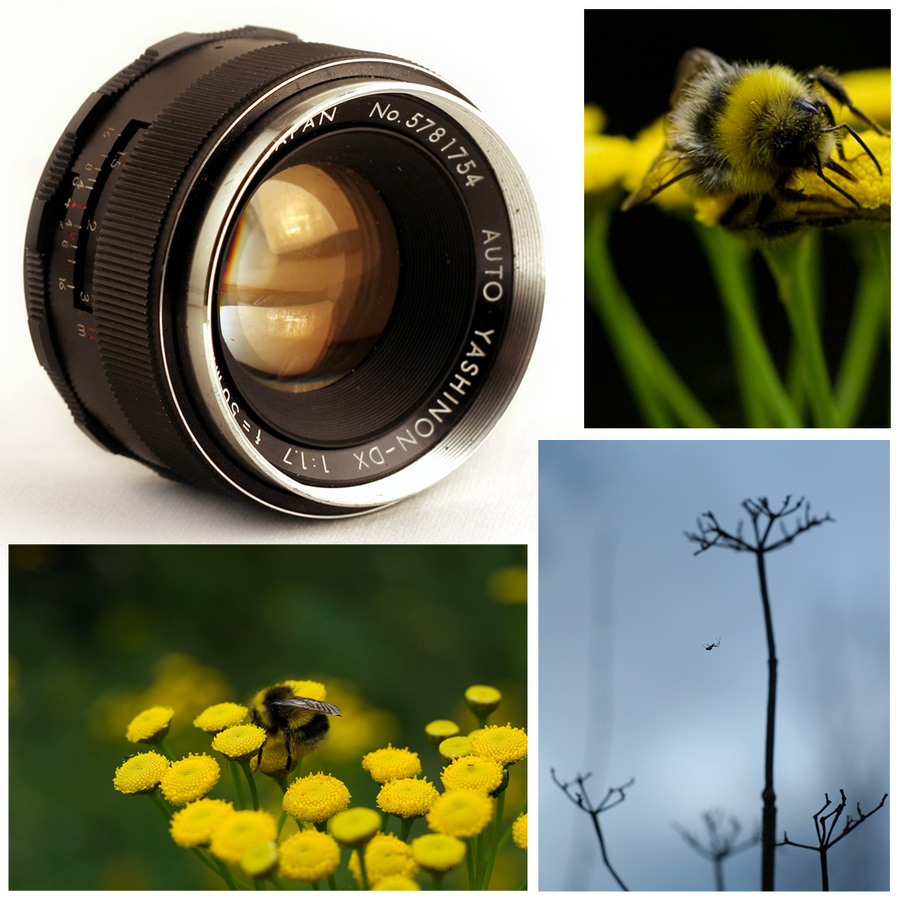
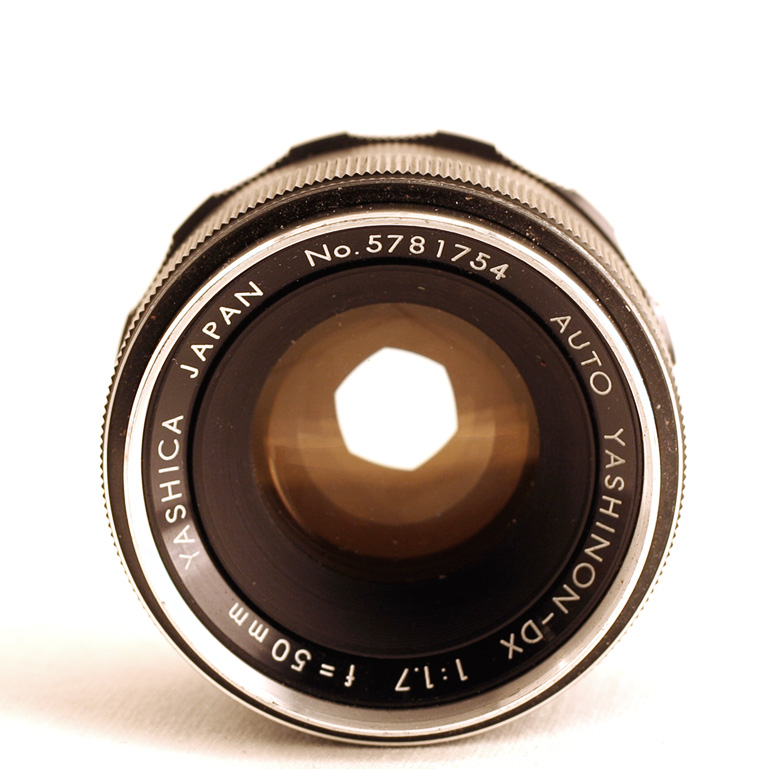
The Auto Yashinon-DX 50mm f/1.7 came with a Yashica J-7 I bought for a $50 camera challenge. It's a 1960s Japanese lens most people have never heard of - obscure even among vintage glass enthusiasts. It also has some of the smoothest bokeh I've shot with at any price. Here's a closer look.
It came with a camera I bought for a challenge: spend no more than $50 on a complete film camera kit, shoot with it, see what happens. The camera was a Yashica J-7, both it and the lens in suspiciously good shape for something from the 1960s. The lens was the Auto Yashinon-DX 50mm f/1.7 - a name I'd never heard of. That didn't last long.
The lens
The Yashinon-DX sits at the top of Yashica's M42 lineup. The DX designation marks the better-built version - above the DS and DSM variants - and it shows. The construction is unusual: an inner tube of aluminium with focus rings in black plastic, which sounds cheap until you actually handle it. The focus action is smooth in a way that makes you appreciate decades of careful storage. The aperture ring is thin, almost comically so, but the large notches give you enough grip to move it confidently without looking down.
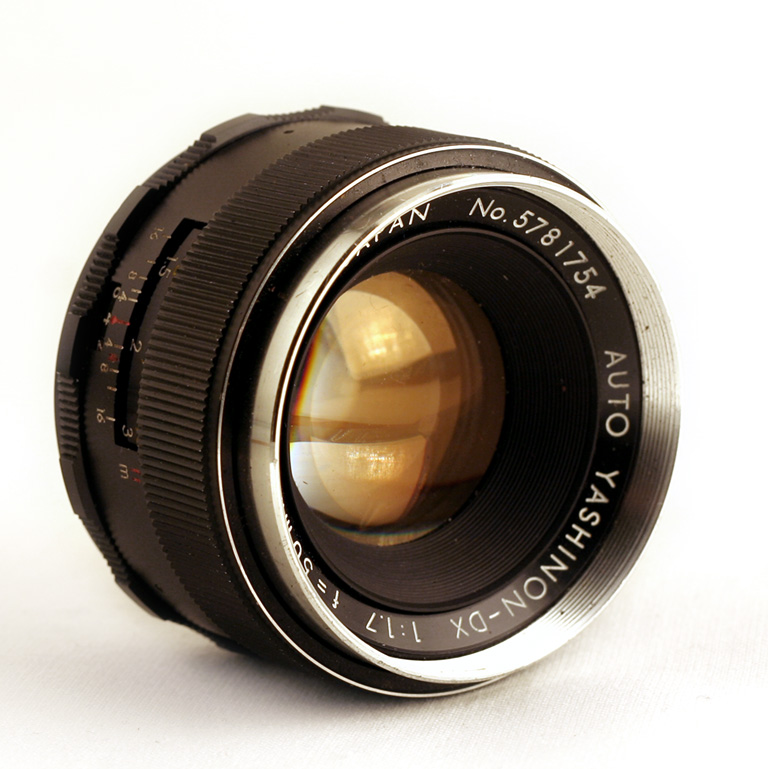
There's a manual/auto switch on the underside - a relic from the automatic diaphragm mechanism on vintage Yashica bodies. On a modern DSLR it does nothing useful, and its position makes it impossible to operate while shooting. Ignore it. The filter thread is 52mm, which happens to match several other lenses in my kit, so hoods and filters are easy.
One practical note: the DX version is known to foul the mirror on some DSLRs when focused to infinity. It didn't cause problems on my Canon EOS 350D, but worth checking on your body before you shoot wide open at the far end of the focus range.
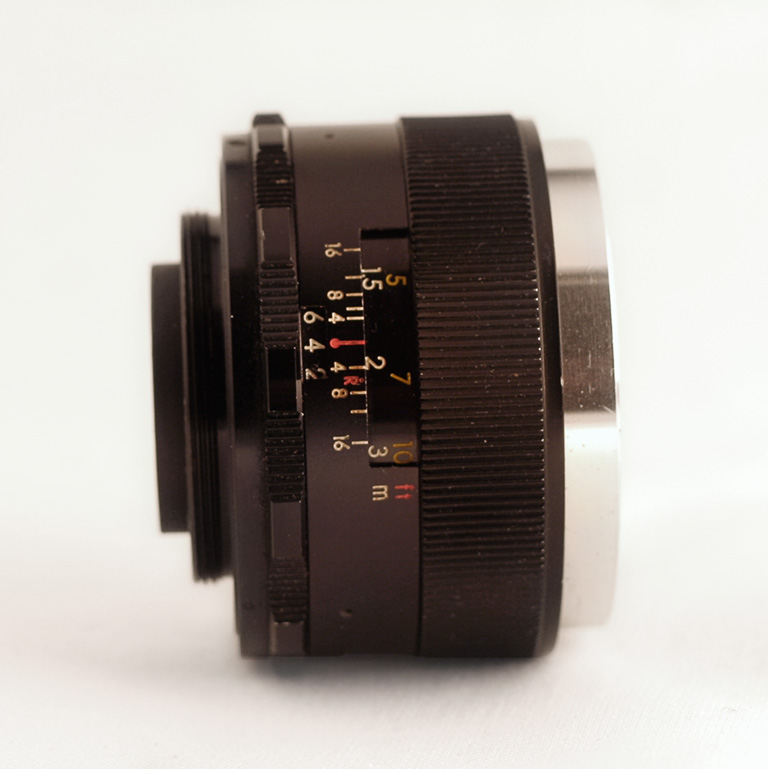
My copy has yellowed slightly. When I first wrote about this lens I assumed thorium glass was the cause - thorium was used in some fast vintage lenses for its high refractive index, and yellowing is a known side effect. But I've never measured the radioactivity myself, and in the years since I've seen several sources suggest the DX variant doesn't actually contain thorium - that it's the DS version where this applies. I can't confirm either way. What I can say is that the yellowing can be reversed with a few weeks of sun exposure, and I haven't noticed any colour shift in the images regardless of the cause.
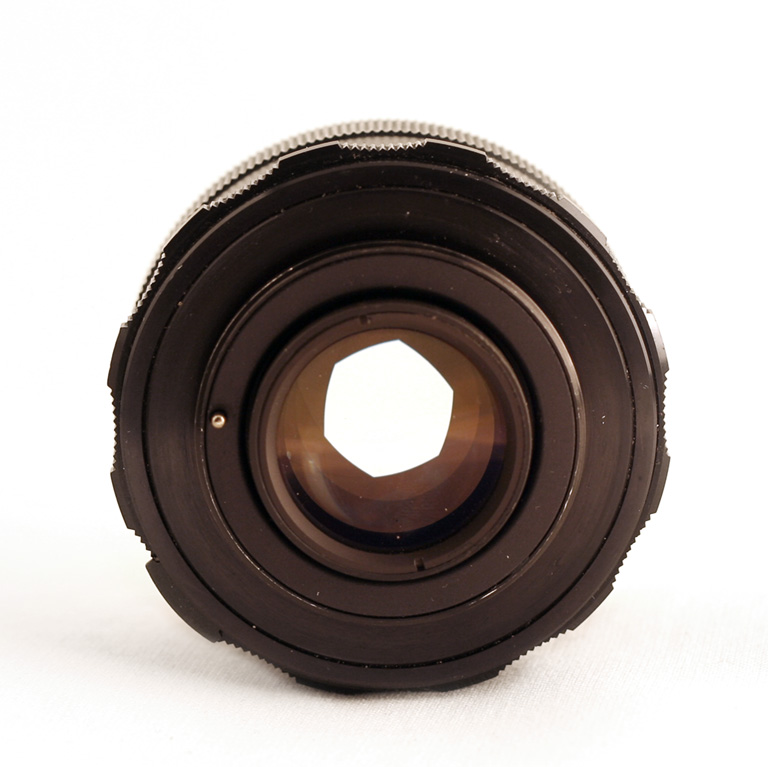
Image quality
At f/1.7 the centre is already usable - not razor sharp, but focused subjects read clearly. The left edge is softer wide open, which matters if you're framing near the edge of the frame. By f/2.8 centre sharpness is very good, and at f/5.6 the whole frame pulls together cleanly. Chromatic aberration is low throughout, and vignetting fades out by around f/4. Single coating means it's not the most flare-resistant lens in direct sun, but it's not especially prone to it either.
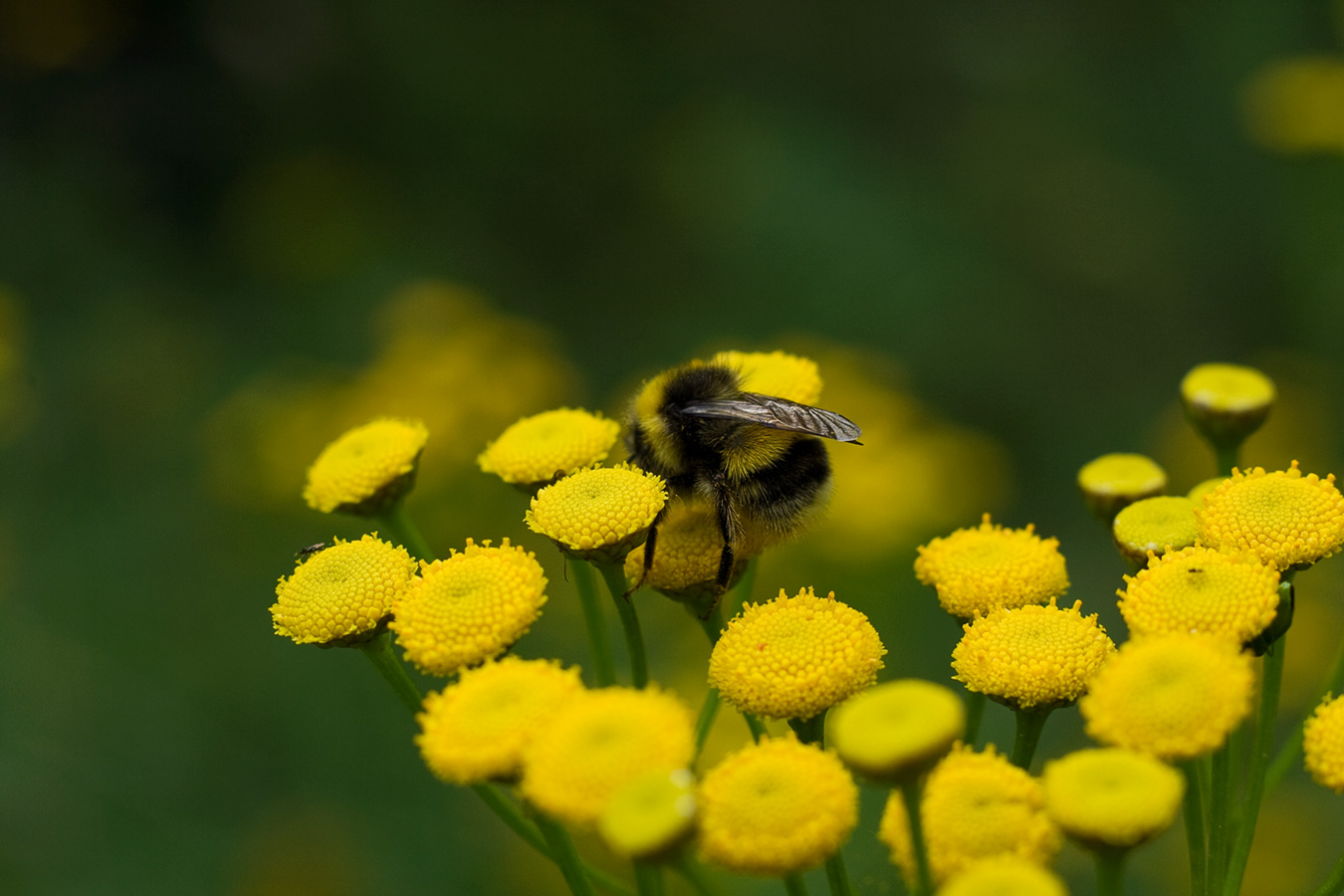
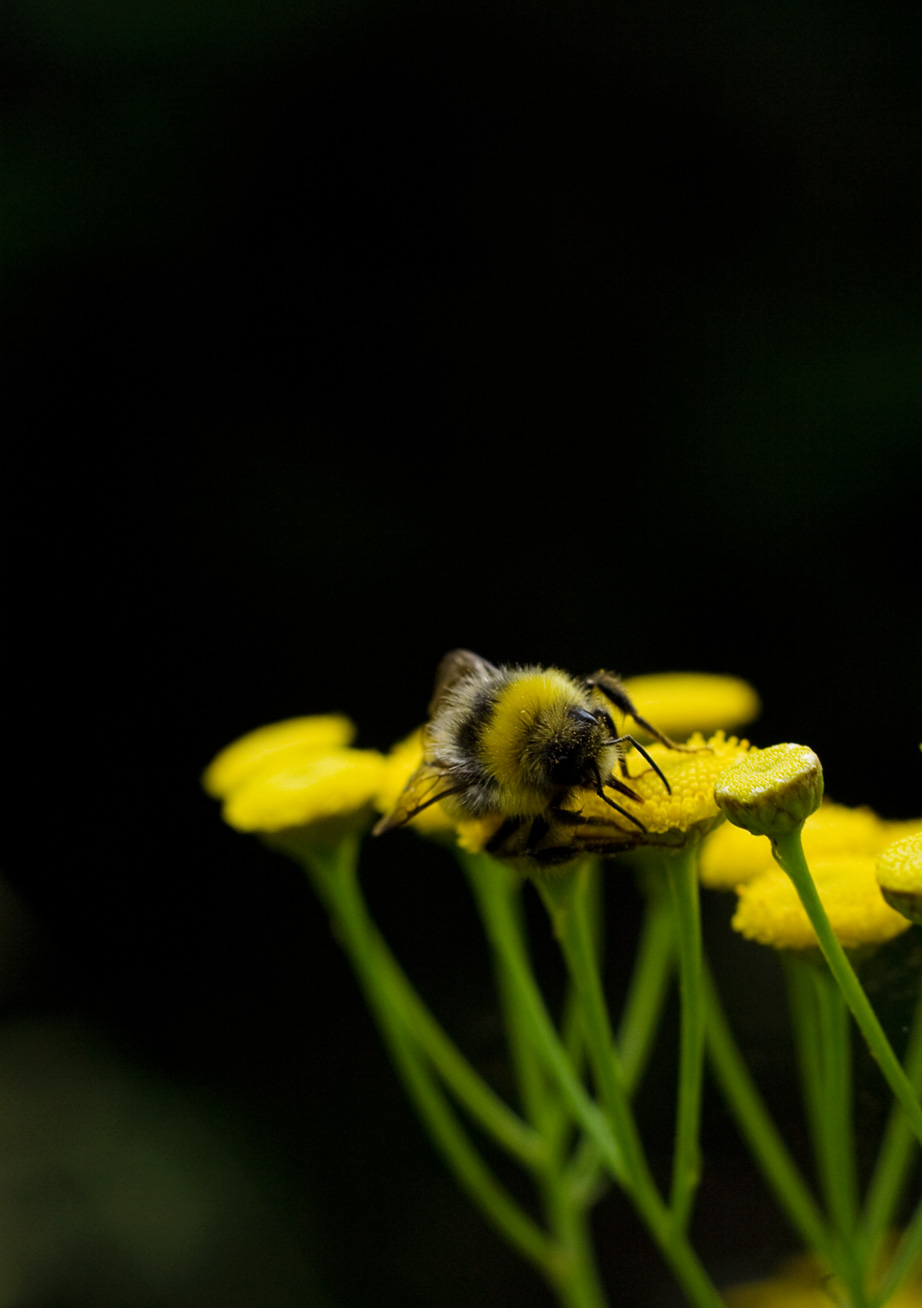
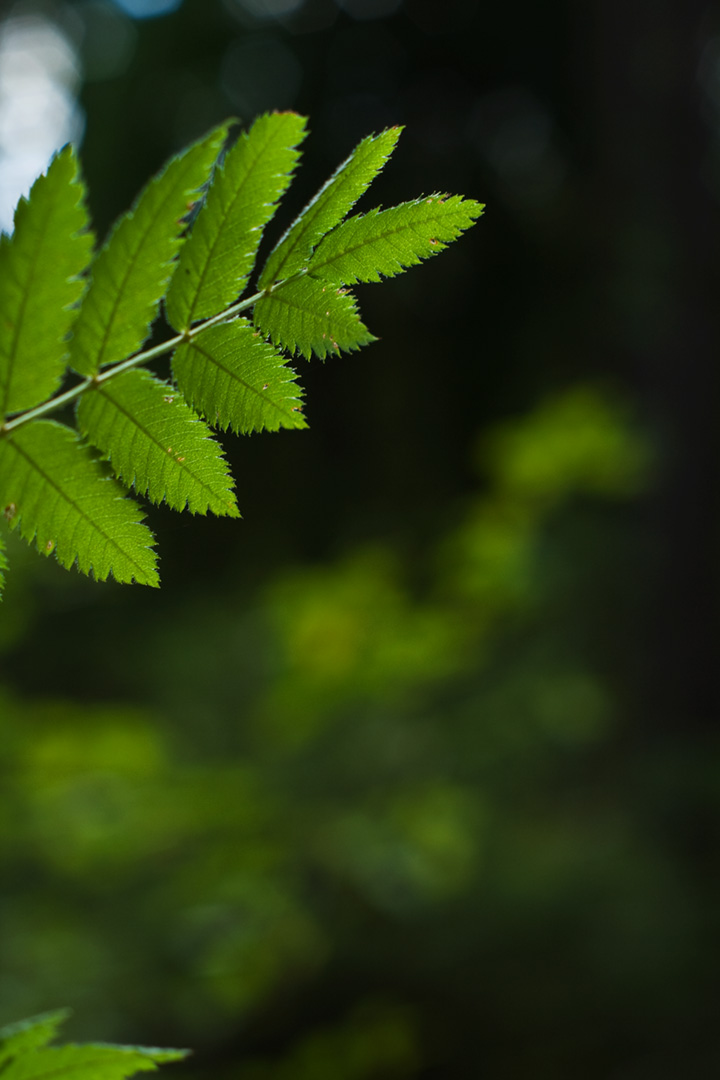
The bokeh is what people remember about this lens. It's smooth - noticeably smoother than the Super Takumar 50mm f/1.4 or the Pentax-M 50mm f/1.7 in direct comparisons. At f/1.7, depth of field is thin enough that a slight shift in distance can leave one eye sharp and the other soft. Backgrounds dissolve rather than compete. Colours are warm and saturated without being overcooked. On APS-C with the 1.6x crop factor, 50mm becomes an 80mm equivalent - a short portrait telephoto that works naturally for close subjects.
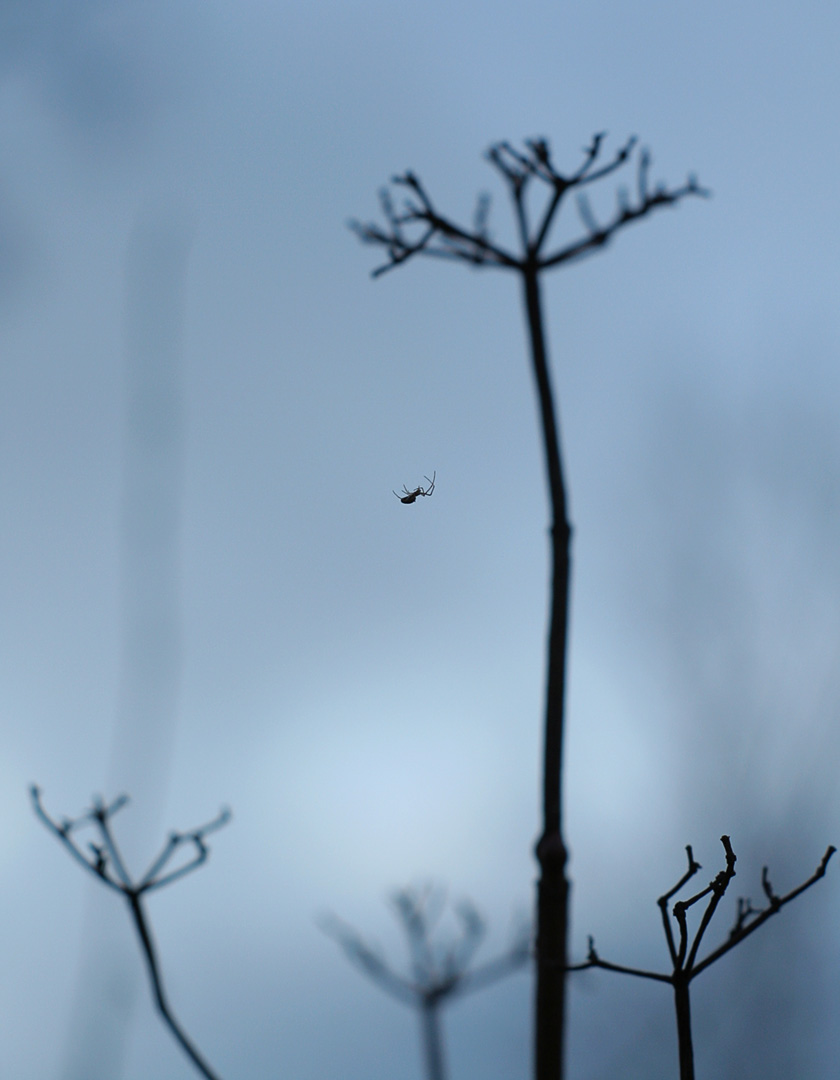
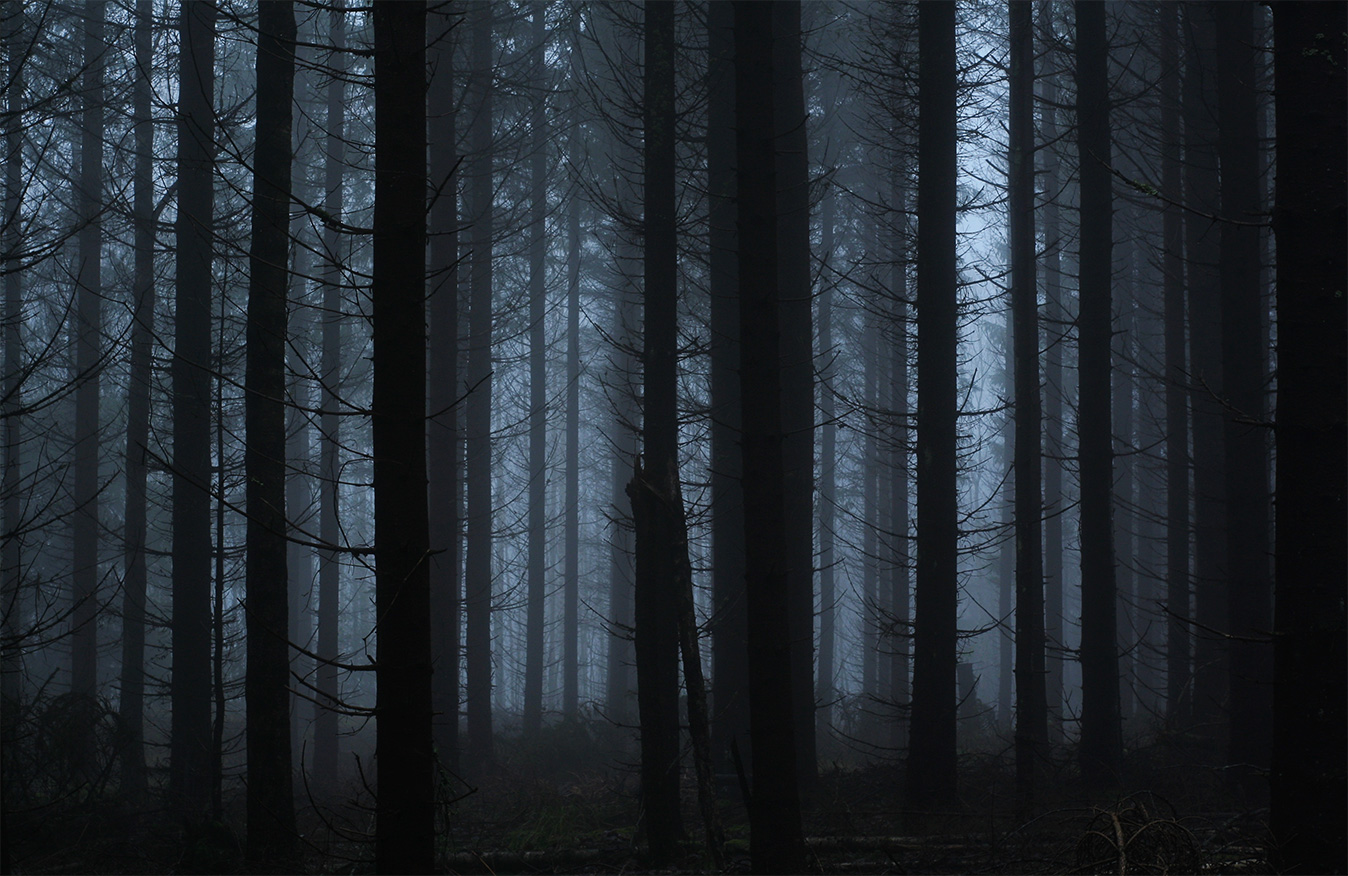
I keep reaching for it in low, flat Nordic light - overcast November afternoons where the palette goes blue-grey and everything gets quiet. The warmth the lens adds feels right for that.
Images
Shot on a Canon EOS 350D. Edited, because I'm interested in how a lens performs in real shooting conditions, not lab charts. The macro shots are close to the minimum focus distance - bumblebees don't wait around.
It's not a common lens - there's not much written about it, and you don't see many copies for sale. When one does turn up, it usually goes for well under €50. At that price, with this bokeh, it's hard to argue against it. Just check your mirror clearance first.